
Most business owners do not realise there is a problem with their financial data until they try to rely on it. You open your accounts to forecast cash flow, apply for funding, or review profitability and quickly notice the numbers do not quite stack up. Transactions may be missing, expenses might be in the wrong categories, or your bank balance does not match your accounting records. These issues are not just inconvenient, but can be costly.
If you want 2026 to be a year of genuine growth rather than simply keeping pace, now is the time to make sure your financial data is accurate, organised and reliable.
Why Financial Data Quality Matters
Financial data should help you answer important questions about your business.
For example:
- Are your most profitable services actually the ones driving revenue?
- Can the business comfortably afford a new hire?
- Is there enough cash available to invest in growth?
- Are costs increasing faster than income?
If the underlying records are incomplete or inaccurate, the answers to these questions become unreliable.
This often leads to decisions based on assumptions rather than facts. Revenue may be overestimated, costs may be underestimated, and plans that look achievable on paper quickly become difficult in reality.
Accurate financial data creates clarity. Without it, forecasting and planning become guesswork.
Review and Clean Up Your Accounting Records
Before you start setting growth targets for the next year, it is worth reviewing the quality of the data in your accounting system.
Many businesses accumulate small errors over time. These might include duplicate entries, uncategorised expenses, or invoices that have not been matched with payments.
A proper review should focus on making sure the information in your accounts reflects what has actually happened in the business.
Some key checks include:
- Confirming all income and expenses have been recorded
- Reviewing how transactions are categorised
- Checking invoices have been correctly marked as paid
- Identifying and correcting duplicate entries
- Ensuring historic data is complete
This process does not need to achieve absolute perfection. The goal is confidence that the numbers are materially correct and reliable enough to support decision making. If HMRC or a lender asked to see your books tomorrow, would you be confident they’re audit-ready?
Make Reconciliation a Regular Habit
One of the most important steps in maintaining reliable data is reconciliation.
Reconciliation simply means matching your digital records to your bank statements, credit card statements, and any other financial accounts you use. If there are discrepancies, you find them and fix them. If transactions are missing, you add them. If something’s been recorded twice, you delete the duplicate.
Without regular reconciliation, discrepancies can remain hidden for months and gradually distort your financial reporting. A reconciled system ensures the information you are reviewing reflects the real movement of money in and out of your business.
Use Upcoming Compliance Changes as an Opportunity to Improve Systems
The regulatory landscape for UK businesses is also moving towards more accurate and transparent financial reporting.
For example, Companies House is introducing identity verification requirements for directors and individuals with significant control. These changes are part of wider reforms designed to improve the reliability of company information.
In addition, Making Tax Digital for Income Tax will begin in April 2026 for self-employed individuals and landlords earning more than £50,000. This will require digital records and regular reporting to HMRC.
While many limited companies already use accounting software, businesses that still rely on spreadsheets or manual processes may find compliance increasingly difficult. Moving to a cloud-based system such as Xero allows financial data to update automatically and makes reconciliation and reporting far more efficient.
Upgrading systems now gives you time to build better processes and get ahead, before regulatory deadlines arrive.
Better Data Creates Better Visibility
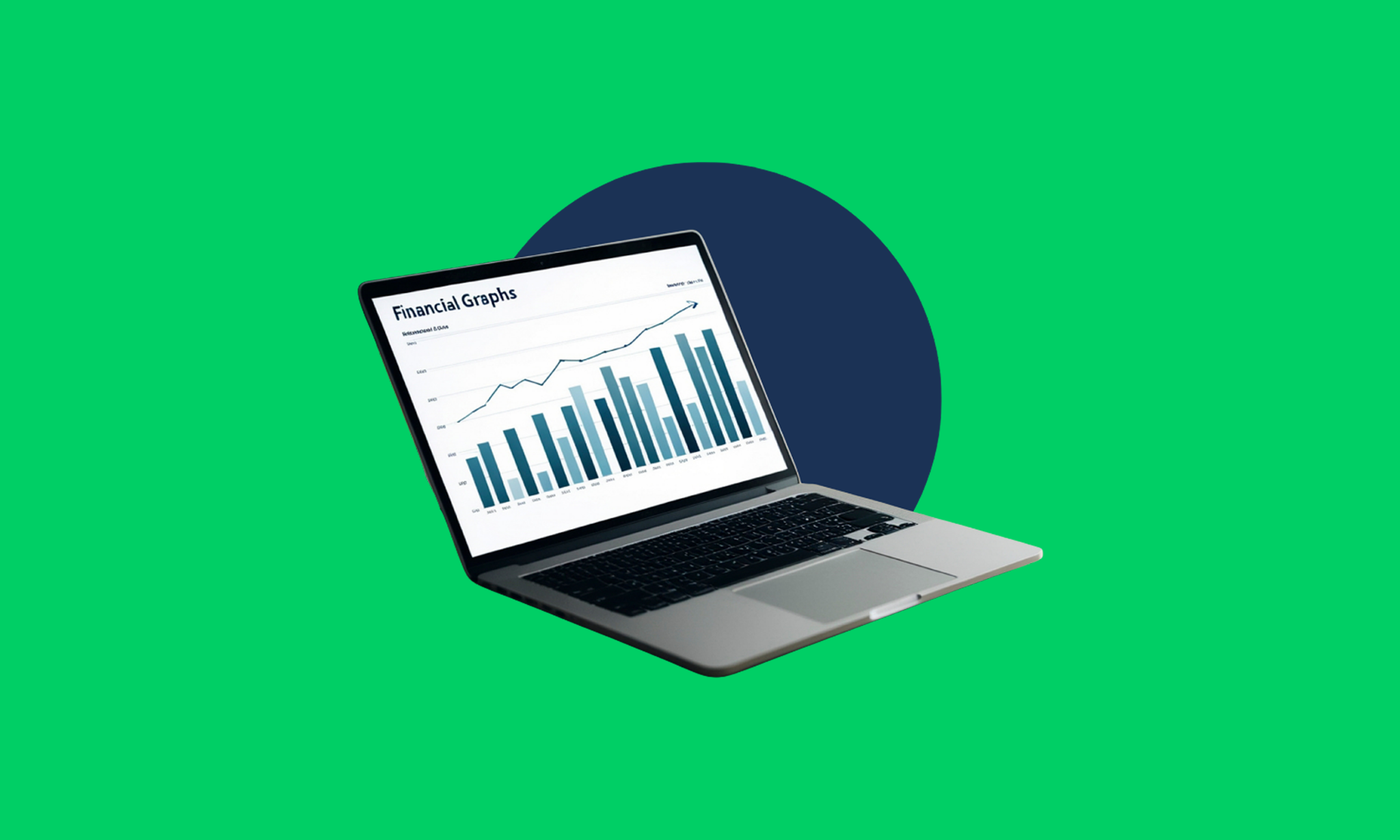
The biggest advantage of clean, connected data is the visibility it provides. When financial data is accurate and up-to-date, your accounting system becomes a dashboard for understanding how your business is performing.
With clean and connected data you can see:
- Your current cash position
- Upcoming liabilities and payments
- Revenue trends across the year
- Profitability by service or product
- Whether growth plans are financially sustainable
This level of visibility allows business owners to plan ahead rather than react constantly. Businesses that grow sustainably tend to have one thing in common, they know their numbers and trust the data behind them.
Preparing Your Business for the Next Stage of Growth
Before the new tax year begins, it is worth asking whether your financial data is giving you the clarity you need. If reports feel confusing, incomplete or unreliable, the issue may not be the numbers themselves but the quality of the underlying records.
Improving data quality now can make forecasting easier, strengthen funding applications, and give you greater confidence in the decisions you make for the year ahead.
At BW Business Accountants & Advisers, we help growing businesses review their systems, improve financial visibility, and build accounting processes that support long term growth. See what services and packages we provide here.
Is It Time to Change Your Account? Discover the signs it might be time and how easy it can be to switch.
Disclaimer: The information mentioned in this blog was correct at the time of posting (April 2026) and has not been updated for any future changes in tax law or HMRC practice. The contents of this blog has been produced as a helpful reference point, and the information provided should be used as a guide only. You should discuss your specific circumstances directly with us before taking any action based on the information included in this blog.